


Recovery as Strategy: The Sports Psychology of Alysa Liu’s Breakthrough
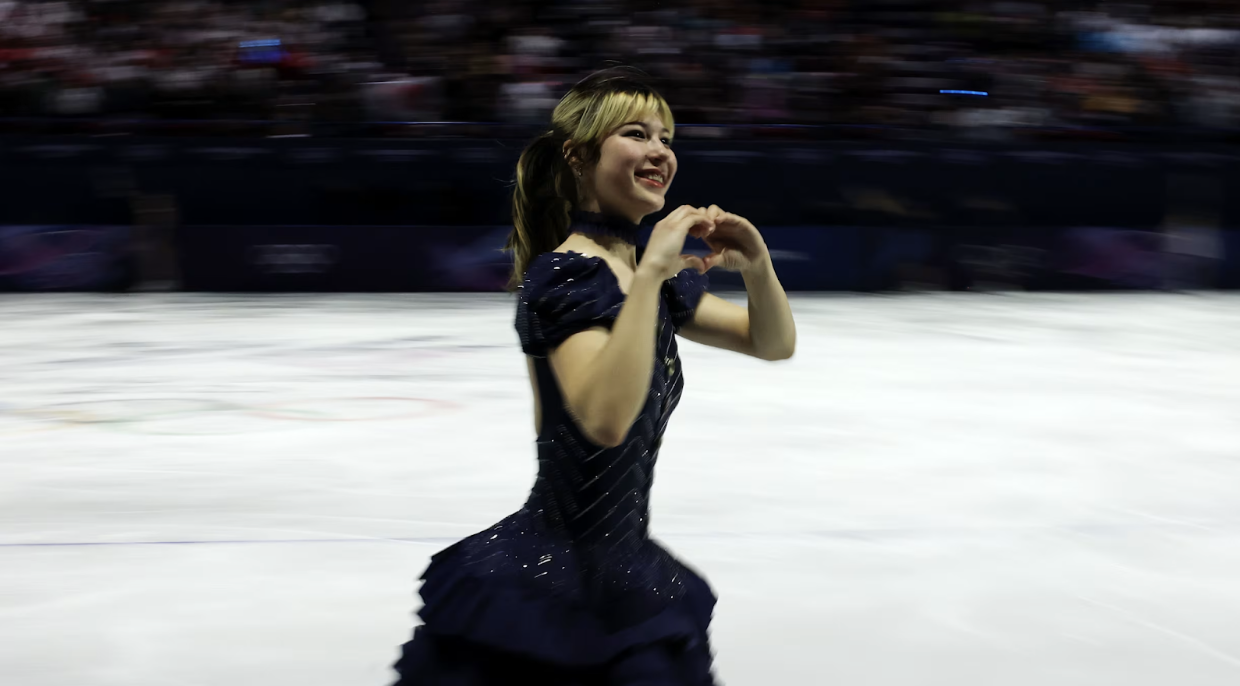
Alysa Liu gave an incredible performance at the 2026 Olympics and became the women’s figure skating gold medalist. After taking a break from competition, she returned to the ice feeling refreshed and more confident. The time away helped her grow stronger both physically and mentally. According to Arthur Liu, who spoke to USA TODAY, she stepped away from figure skating because she was deeply traumatized.
He explained that she would avoid the ice whenever possible and was struggling with PTSD during that time. Alysa herself had shared that she was being overtrained as a child without any days off and others would control whatever she eats or drinks.
Despite those challenges, her break allowed her to heal and rediscover her love for figure skating. When she returned, she competed not out of pressure, but out of passion. In an exclusive interview with Olympics.com, she expressed that she felt genuinely happy to be there at the games and described the sensation of performing on the Olympic ice as if she was floating.
Taking a break and focusing on herself made Alysa Liu stronger in ways she never expected. It gave her time to heal, rebuild her confidence, and rediscover her love for skating. Instead of feeling pressured and fearful, she returned to the ice with joy and freedom. That change in mindset ultimately helped her perform at her best and became an Olympic champion.
From a psychological perspective, Alysa Liu’s journey highlights the importance of mental health in elite sports. Constant pressure, overtraining, and the lack of control can lead to burnouts, anxiety, and even trauma, especially in young athletes. Taking time away allowed her nervous systems to recover and gave her space to process those experiences. Sports psychologists often explained that when athletes feel autonomy, having control over their choices, they are more likely to be more motivated and perform better.
By stepping away and prioritizing her well-being, Alysa Liu was able to rebuild her sense of control and reconnect with the joys of skating. Her story shows that rest and self-care are not signs of weakness but powerful tools that can lead to resilience, growth, and peak performance.
References
Self Determination Theory | Simply Sport Science. (2025). Simply Sport Science. https://simplysportscience.co.uk/self-determination-theory
McCarvel, N. (2026, February 24). Alysa Liu on her journey and her art – “I want to share that creative process.” Olympics.com; International Olympic Committee. https://www.olympics.com/en/milano-cortina-2026/news/alysa-liu-on-her-journey-and-her-art-i-want-to-share-that-creative-process-exclusive
Penulis : Athaya Arysa Sidharta
Editor : Andrea Prita Purnama Ratri
Comments :