



How Color Temperature Light Shapes Sleep and Wakefulness
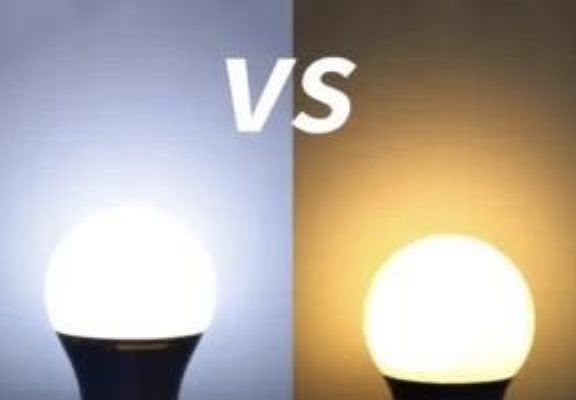 sumber: kanglight
The human body operates on a 24-hour internal clock known as the circadian rhythm, which heavily relies on environmental light cues to regulate sleep, this involves transitions through REM (Rapid Eye Movement) and Non-REM cycles. There’s a hormone that is produced by the pineal gland in the brain called “Melatonin”, which is responsible for signalling to the body that it is time to rest. Specialized retinal photoreceptors are particularly sensitive to specific melatonin production. Consequently, the type of lighting we expose ourselves to throughout the day and night dictates our alertness, sleep quality, and overall energy levels.
Did you know blue light wavelengths naturally mimic the high-intensity of the midday sun, making them exceptionally powerful at suppressing melatonin production? When this light hits our eyes, it naturally signals the brain to enhance alertness, and sharpen cognitive execution. While this is incredibly beneficial during daytime activities. However, exposure to strong blue light close to bedtime can delay sleep onset and reduce sleep quality by shifting the body’s internal clock. Common known sources of blue light can be found on phone and laptop screens, and most work office lighting systems.
In stark contrast, red light serves as the ultimate sleep-friendly alternative because it has virtually no disruptive effect on nocturnal melatonin secretion. Because red light wavelength sits at the opposite end of the visible spectrum from blue light, it does not trigger the retinal ganglion cells that send “wake-up” . For this reason, dim warm lighting is commonly chosen for night lights during evening hours. Using warm-toned illumination in the hours before bed helps preserve natural melatonin rhythms and reduces alerting effects that can delay sleep onset.
Understanding these dynamics allow us to build a strategic lighting routine that maximizes productivity by day and guarantees deep restoration by night. Bright, blue-enriched light during the day promotes alertness, attention, and cognitive performance by suppressing melatonin when wakefulness is desired. In the evening, switching to low-intensity, warm-colored light reduces circadian disruption and encourages the onset of sleep. By aligning lighting in our daily life, we can reduce fatigue, improve sleep quality, and maintain better overall balance between work and rest.
References:
Mfa, R. J. S. (2026). What’s blue light, and how does it affect our eyes? Healthline. https://www.healthline.com/health/what-is-blue-light
Morita, T., & Tokura, H. (1996). Effects of lights of different color temperature on the nocturnal changes in core temperature and melatonin in humans. APPLIED HUMAN SCIENCE Journal of Physiological Anthropology, 15(5), 243–246. https://doi.org/10.2114/jpa.15.243
[Comparison of cool white and warm white LED bulbs]. (2023). Kanglight. https://kanglight.com/blog/cool-white-vs-daylight-which-is-brighter/
Writer: Kezia Ho
Editor : Andrea Ratri Purnamasari
Comments :