



An Observation of Counseling Psychology
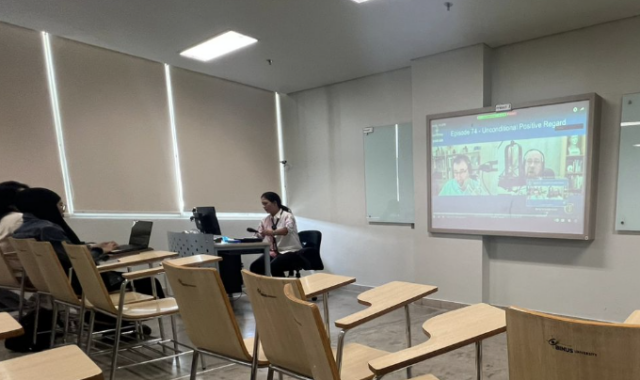
On Wednesday, the 16th of October, my friends and I went to the Bekasi campus for the first time to observe a counseling psychology class. We quickly went to class on the fifth floor at the very end of the hall, which is class A505. The class is not much different than the ones at Kijang campus, and class quickly starts right as soon as the clock ticks twenty minutes past eleven. Dr. Suryati, the lecturer starts the class with questions regarding what the students know about unconditional positive response or more known as UPR. Some students also voice out their opinion and knowledge regarding the topic, which is explained more by Dr. Suryati. She explains how individuals have the right to feel different feelings regarding a situation, even. An example she uses is a research regarding pain. It is said that the pain of a child losing a cherished toy is similar to the pain of an individual losing their loved ones. This is why we should never use our own perspective when empathizing with others and rather use our own pain to help us empathize with their pain.
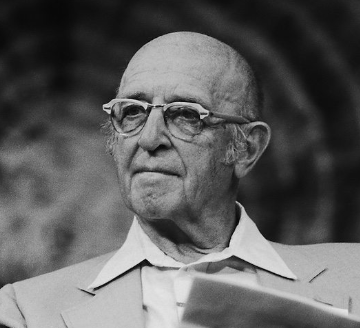
Another thing she told us is how Rogers views UPR, she told us that how we view the client is similar to how we view the sun. We do not comment on how the sun rises up late on one day opposed to other days, or how the sun is a little to the left today compared to yesterday, and as such. (Client-centred therapy – Carl Rogers, Psychology Online Courses, https://psychologyonlinecourses.com/client-centred-therapy-carl-rogers/ )
She then starts to explain the materials following the course outline of this class. About what UPR is and what UPR is not, such as how UPR is all about acceptance, whatever our client or an individual is feeling, be it positive or negative emotions, how it is not conditional whatsoever, and how we as counselor do not disregard or neglect our clients and keeping the communication from flowing to something negative. Dr. Suryati said something that I really like, she said that even if one’s client is the worst person alive, the fact that they acknowledged and went to a counselor, indicates that even they know and want to change, which is a good thing.
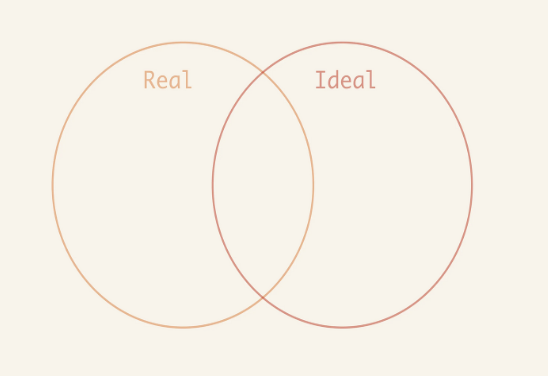
Dr. Suryati then continues to explain how when an individual accepts themselves as who they are, they will change. As a client is given UPR, the client will realize their own behavior and try to change to fit their ideal self more. And why is that? It is because when we accept our clients, they will come to accept themselves. It does not mean that one client’s self-acceptance comes from us, but rather we act as a catalyst to push them towards self-acceptance.
(Real Self vs Ideal Self – Insights from Carl Rogers, Medium, https://ag-academy.medium.com/real-self-vs-ideal-self-insights-from-carl-rogers-3047e866ab6f )
But the path to self-acceptance is not a simple one, especially with other people’s judgements and expectations which is affecting how the client views themselves. Which brings the question to why people are being judgemental towards others? A student says that maybe it is because they are projecting their insecurities towards others, or when they feel they are inferior and so they try to attack and judge others.
A question is also asked towards the students, if an individual is never given and experiences UPR since little, will they be able to reach a state of self-acceptance? Various opinions are thrown out by the students, where some say they will never reach self-acceptance, and others believe that it is a possibility. Dr. Suryati then told them that while it is possible for that individual to reach self-acceptance, it would be impossibly difficult.
As the time starts to run out, the lecturer explain one last topic, which is factors that gets in the way of UPR:
- Having an agenda for your client, as we all know, UPR is all about accepting the client as they are, having an agenda will affect the client’s pace and change.
- Believing that we know better than our clients,
- Burnout, which affects the effectiveness of the counselor as when people are feeling burnout, they will feel discouraged, frustrated, and many other negative things and so it will affect how the counselor connects with their client and thus affecting UPR.
- Lack of self-acceptance. Even if the counselor tries their best, if one’s client does not accept themselves, then it will be difficult to change themselves.
- Counselors seeking to fill their own needs through clients, as this will lead to conditional positive regard rather than unconditional.
- The analytic mind, as it might affect a counselor’s view towards the client and thus creating a conditional acceptance.
- Hard-to-like clients, which explains itself as it is difficult to accept something we do not like.
- Clients vs. moral constructs, which means we can cause a conflict between our values against the clients’ behavior. And thus affecting how we accept the client.
- Initial judging thoughts. As Rogers said, we will always evaluate other’s statements as a reaction and thus might be contradicting with the client and affect our UPR and empathy.
Writer: Leandra Lagunara
Comments :